Proper Tooth Brushing Techniques
Proper tooth brushing techniques explained. Protect your dental and gum health with a 2-minute effective brushing duration, correct angle and brush selection.
Latest information and recommendations about dental health, oral care and treatment methods.
Proper tooth brushing techniques explained. Protect your dental and gum health with a 2-minute effective brushing duration, correct angle and brush selection.
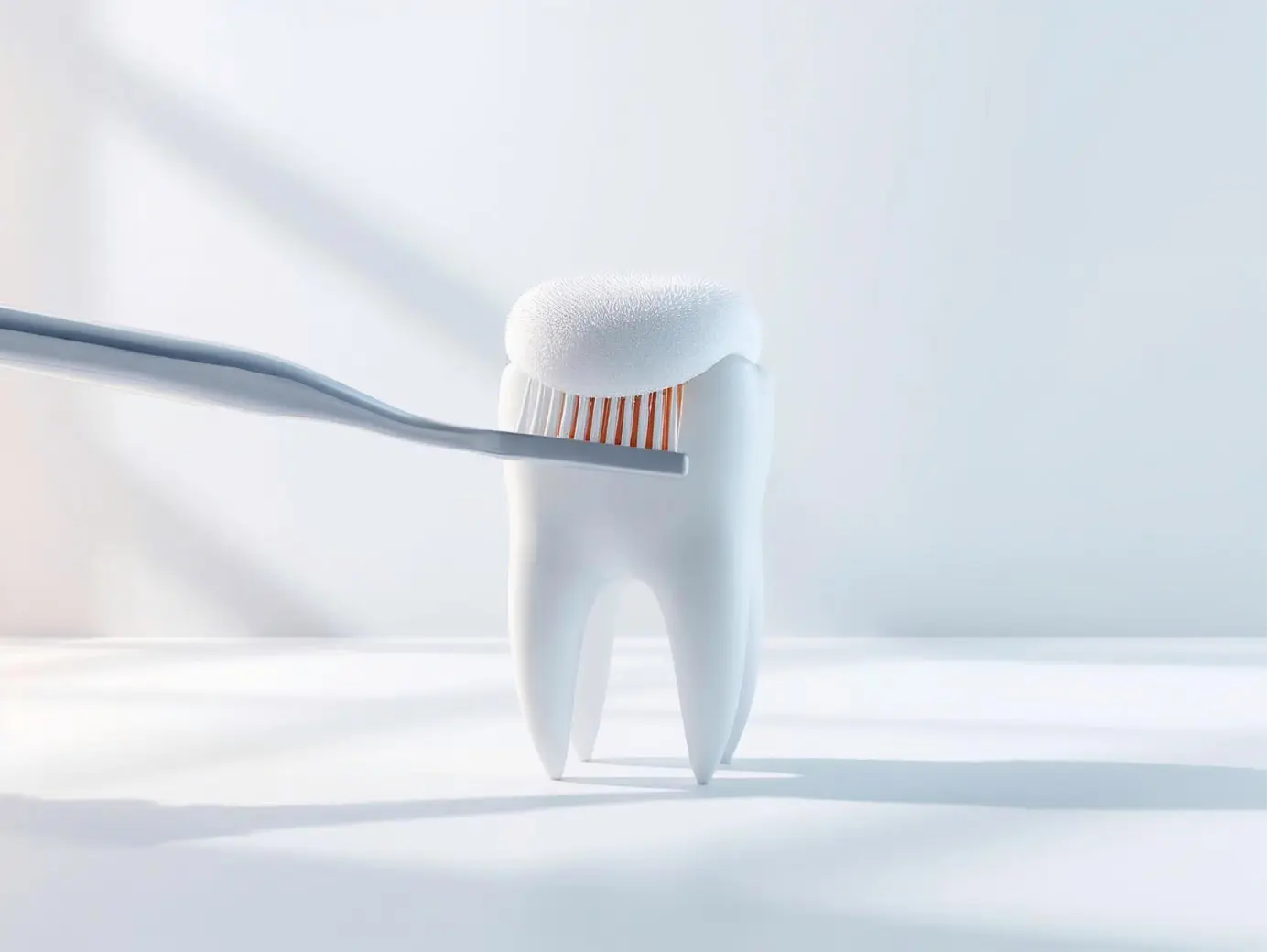
Learning the proper brushing technique is the first step to maintaining dental health. It is important to brush your teeth correctly to prevent both cavities and gum disease.
Brush your teeth for at least 2 minutes. This duration ensures that all tooth surfaces are effectively cleaned. Many people only brush for 30–45 seconds, which leads to both plaque and tartar formation. You can set an alarm or use the timer on your toothbrush.
Place the brush at a 45-degree angle to the gum line. Clean tooth surfaces with small, gentle circular motions. Avoid hard and horizontal movements as these can lead to gum recession and enamel wear. Make sure you clean the front, back, and chewing surfaces of each tooth.
Choose a toothbrush with soft or medium bristles. Hard brushes can damage tooth enamel, especially with long-term use. Replace your brush every 3–4 months or when the bristles become deformed. Electric toothbrushes are also an effective option, but the correct technique is still important.
Don't forget to clean the tongue surface after brushing. Bacteria on the tongue can cause bad breath and hygiene problems. You can use a special tongue cleaner or the back of the brush if you prefer.
You can maintain your dental health for many years with regular and proper brushing habits. If you have complaints such as gum bleeding, sensitivity, or bad breath, it is recommended to consult a dentist. Remember, small habits make a big difference.
Everything you want to know about implant treatment in Tekirdağ is explained by Dentist Ahmet Fatih Ergün. Learn all the steps of the implant process from the initial examination to the prosthesis stage.
Missing teeth can create serious effects not only aesthetically, but also in terms of chewing function and overall oral health. At this point, implant treatment stands out as one of the most permanent and reliable solutions in modern dentistry. For a good implant treatment, your dentist carefully evaluates each patient's needs and offers a personalized roadmap.
Everything begins with a detailed initial examination. Oral structure, jawbone density, and general dental health are meticulously analyzed using digital imaging techniques. This evaluation determines not only where the implant will be placed, but also the entire course of treatment. Of course, every patient is unique; therefore, a completely personalized planning process is conducted instead of a standard procedure.
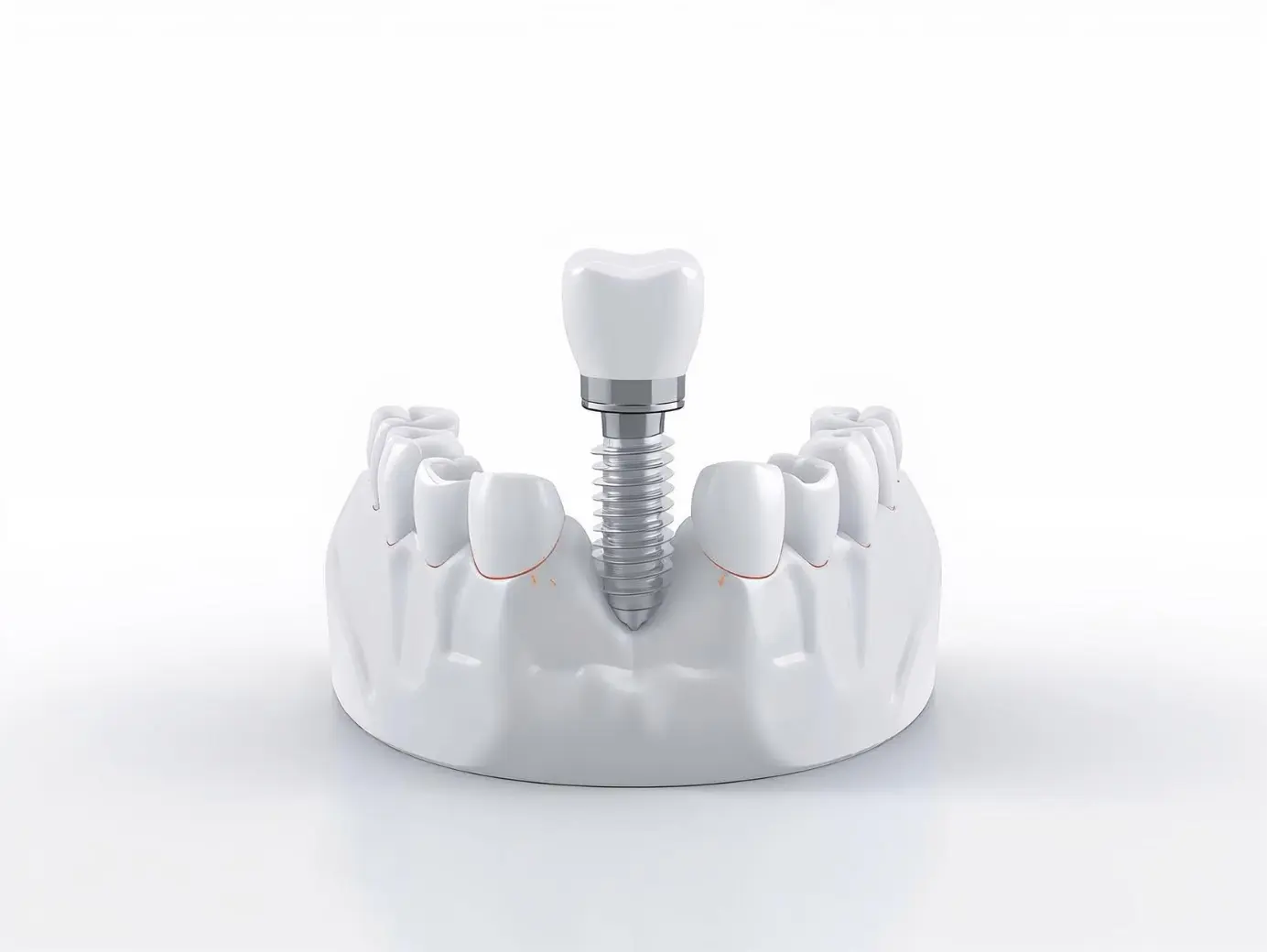
After planning is complete, implant application proceeds. Under local anesthesia, a titanium implant screw is placed into the jawbone. This procedure, which usually takes 30 to 60 minutes, is quite comfortable for patients. Many people can return to their daily routine on the same day. Apart from mild sensitivity after the procedure, no serious discomfort is experienced.
The real magic happens at this stage. The fusion of the implant with the jawbone, called osseointegration, takes approximately 3 to 6 months. During this period, the implant integrates with the bone like a natural tooth root and creates a solid foundation. This process is closely monitored with regular check-ups.
When healing is complete, an abutment, a connecting piece, is attached to the implant. Then, a prosthetic tooth designed to match the patient's tooth structure and smile aesthetics is placed. The appearance achieved at this stage is not only natural but also aesthetically compatible with the patient's facial structure.
Implant treatment is long-lasting, but regular care is essential for this. With flossing, proper brushing techniques, and check-ups every 6 months, implants can be used problem-free for many years. Your dentist can provide you with a comprehensive care guide on this subject and stand by you at every stage of the process.
Implant treatment does not only fill the place of a missing tooth; it also restores self-confidence, comfortable chewing, and an aesthetic smile. With proper planning, careful application, and conscious care, this treatment provides comfort that will last for years. If you would like to get more information or schedule an appointment for an examination, it is recommended to contact your dentist.
Orthodontic Solutions with the Right Time and Right Method in Tekirdağ – with Dentist Ahmet Fatih Ergün. Modern and personalized orthodontic solutions can be offered to patients of all ages.
Proper alignment of teeth is of great importance not only aesthetically, but also functionally. A good orthodontic treatment is approached not only from the perspective of appearance, but also based on overall oral health. Because properly aligned teeth provide better chewing, clear speech, and effective oral hygiene.
Each individual's tooth structure is unique; however, some conditions indicate that orthodontic intervention is necessary. These include:
Early diagnosis in such problems both shortens the treatment duration and provides permanent solutions.
Orthodontics in children is usually started between the ages of 7 and 14. Because in this age range, jaw bones are still forming and the capacity to respond to treatment is high. Early examinations can prevent larger problems in the future. A gentle, patient, and motivating approach to children is important. Treatment is not only technical but also a psychological support process.
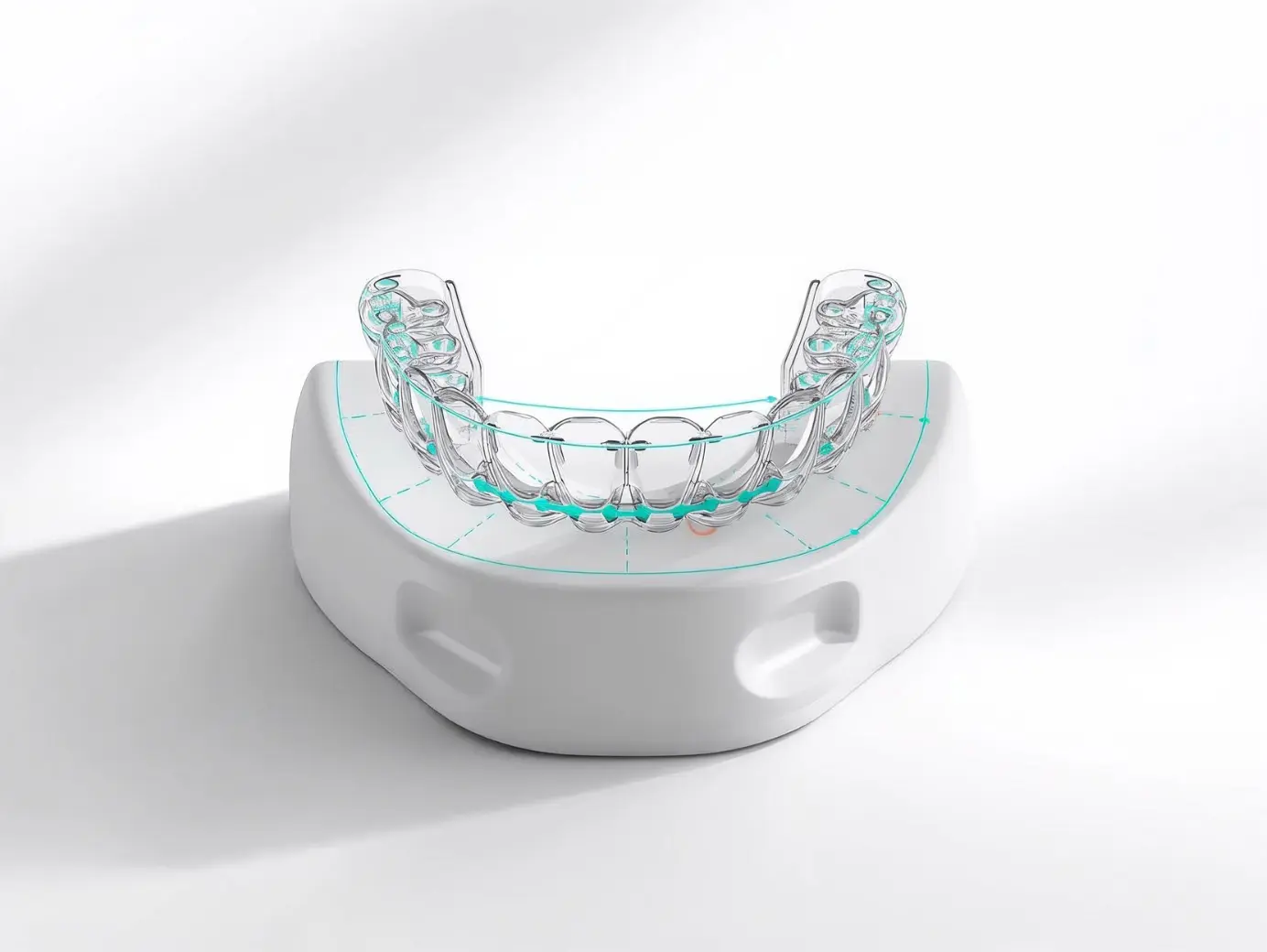
Of course. Although orthodontics has long been associated with children, today it is also a very common and accessible treatment option for adults. Especially with clear aligners (Invisalign) and porcelain braces, solutions that are almost unnoticeable from the outside and do not create aesthetic concerns have become possible. Invisible and effective orthodontic solutions can be offered without disrupting daily life.
Everyone's expectations and oral structure are different. Therefore, orthodontic treatments are also shaped according to the person. The main methods applied are:
In treatment selection, the patient's lifestyle, aesthetic expectations, and clinical needs are evaluated together. The goal of a good orthodontic treatment is always to offer a patient-specific, sustainable, and comfortable solution.
Orthodontics is necessary not only for straight teeth, but also for jaw health and functional balance. If you feel an imbalance in tooth alignment, a mismatch in jaw structure, or an aesthetic discomfort, getting a professional evaluation without delay can make a big difference. In modern dentistry, modern, effective, and personalized orthodontic solutions can be offered to patients of all ages.
Remember, a healthy smile is not just a detail; it is a strong sign that reflects a person's self-confidence.
Dentist Recommendation from Tekirdağ – Daily Care Recommendations from Dentist Ahmet Fatih Ergün. Learn about your daily care habits for a healthy and aesthetic smile.
For a healthy and aesthetic smile, your care habits at home are as important as the procedures your dentist performs. Making oral care a routine makes a great difference for your dental health. Because oral health is actually a matter of a few minutes of the day.
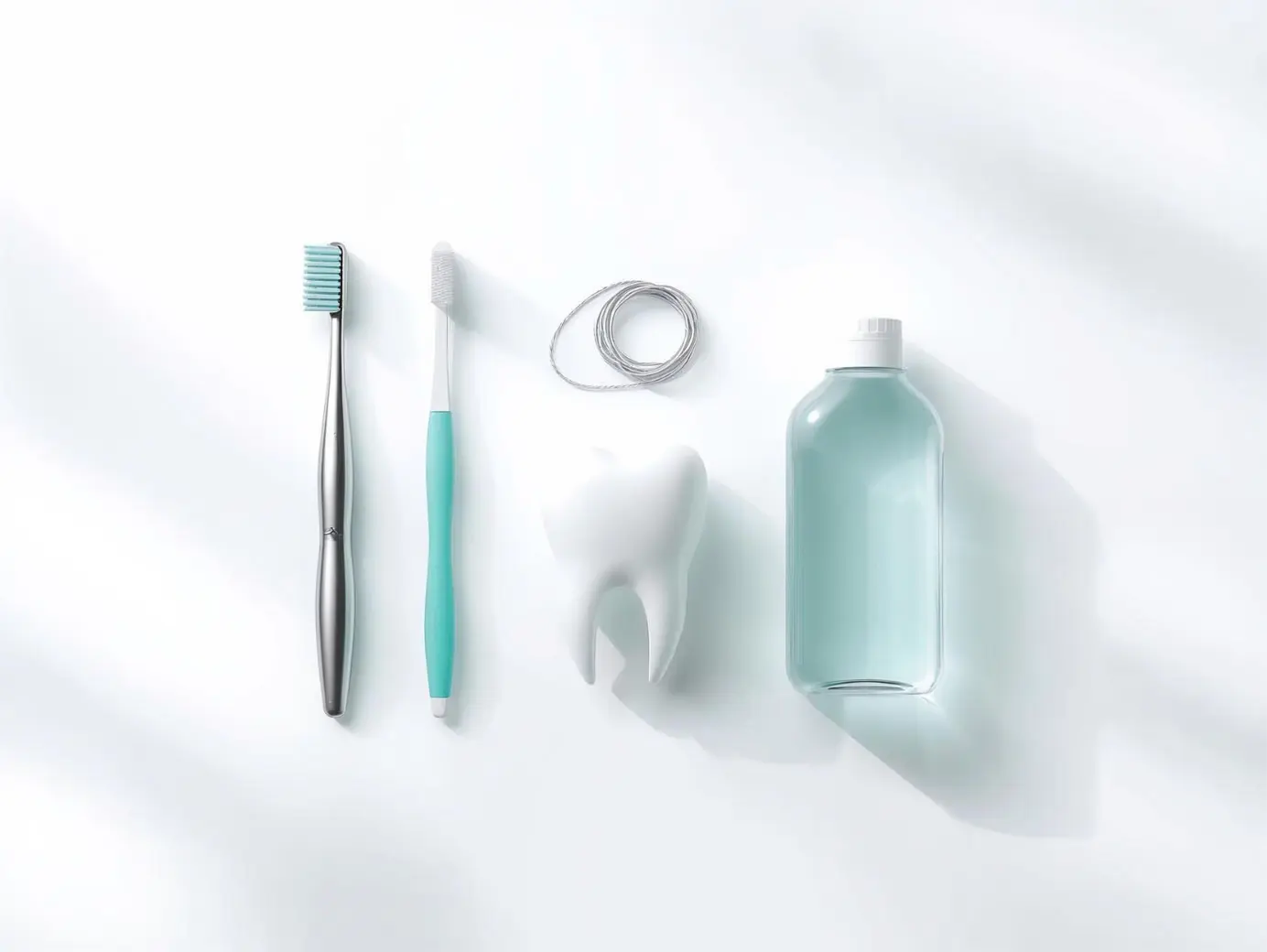
Rinsing your mouth with plain water as soon as you wake up helps remove bacteria that have accumulated overnight. Then, for at least two minutes, use your toothbrush in circular motions to clean both tooth surfaces and the gum line. The tongue surface should not be neglected either—bacteria accumulated there are the main cause of bad breath. Therefore, gentle cleaning with a tongue cleaner or toothbrush is recommended. As a final step, rinsing your mouth with a fluoride mouthwash provides both fresh breath and additional protection against cavities.
Brushing your teeth immediately after every meal is a habit that is known to be correct but requires attention. Especially brushing after acidic foods can damage tooth enamel. Therefore, waiting 30 minutes if possible is ideal. Meanwhile, rinsing your mouth with water or chewing sugar-free gum reduces the effect of acids and provides natural cleaning by increasing saliva flow.
No matter how well a toothbrush is used, it is difficult to fully reach between teeth. Therefore, flossing is of vital importance. A gentle flossing application, especially before going to bed at night, removes plaque and food particles that have accumulated throughout the day. When using floss, there's no need to rush; cleaning should be done by moving it in a C-shape, wrapping around the side surface of the tooth. Correct technique is as important as effectiveness, and your dentist can show you this technique practically.
Saliva production decreases during the night, which creates an ideal environment for bacteria. Therefore, night brushing and flossing are the most decisive step in protecting oral health. A night routine completed with mouthwash both prevents waking up with bad breath in the mornings and protects the gums.
You can get consultation from your dentist regarding the selection of oral care products and correct usage techniques. Because every oral structure is different; a standard solution doesn't work for everyone.
Regular oral care is essential not only for beautiful-looking teeth, but also for long-lasting implants, healthy gums, and successful orthodontic results. It's possible to make big differences with simple habits. If you also want to personalize your care routine or choose the right products, you can contact your dentist for information.
Smile design, one of the most attention-grabbing areas of modern aesthetic dentistry. Achieve natural and aesthetic smiles with digital technologies and minimal invasive approaches.
Smile design is one of the most attention-grabbing areas of modern aesthetic dentistry. Today, with developing digital technologies and minimal invasive approaches, it's possible to achieve both natural and aesthetically perfect smiles. For a good smile design, your dentist can apply personalized designs suitable for each patient's facial structure and character.
Digital smile design is one of the most important innovations that technology has brought to aesthetic dentistry. Thanks to 3D imaging and CAD/CAM systems, a digital preview of the planned smile can be made before starting treatment. This method strengthens communication between patient and dentist and ensures clarity of expectations. Thus, the treatment process becomes more predictable both aesthetically and functionally.
In modern dentistry, the goal is now to intervene as little as possible with the tooth. The minimal invasive approach aims to achieve aesthetic results while preserving natural tooth tissue. Applications such as laminate veneers are among the best examples of this approach. In this way, both tooth integrity is preserved and a natural smile is achieved.
The materials used in smile design form the foundation of aesthetic success. Zirconium and ceramic restorations provide the closest result to natural tooth appearance with both their durability and light transmittance. Especially for front teeth, coatings made with these materials provide an extremely aesthetic appearance in natural light.
Professional teeth whitening procedures are an integral part of smile design. With correctly applied whitening, a few shades of lightening in tooth color can be achieved. However, the color harmony and symmetry of all teeth are also of great importance in terms of overall aesthetic perception. Therefore, whitening, dental coating, and design processes should be considered as a whole.
Every individual's smile is unique. When designing a smile, factors such as age, gender, facial proportions, lip structure, and personal style are taken into account. The priority in a good smile design is to provide patients with smiles that are both natural and reflect their character. Modern smile designs that prioritize natural aesthetics with personalized planning can be applied.
Ways to deal with tooth pain. Information about temporary methods that can be applied at home and when professional help should be sought.
Tooth pain is a very annoying situation that almost everyone encounters at least once in their life. Sometimes these pains progress mildly, and sometimes they can seriously complicate your daily life. Understanding the causes of tooth pain and how to intervene correctly is important.
The information shared below can help you temporarily relieve the pain. However, it should not be forgotten that for a permanent solution, you must be examined by a dentist.
Mix a teaspoon of salt into a glass of warm water and gently rinse your mouth. This simple method can reduce inflammation in the mouth, clean bacteria, and temporarily relieve pain.
Applying a cold compress to the outside of the cheek where the painful tooth is located for 15-20 minutes reduces swelling. It also helps to temporarily soothe the sensitivity of nerve endings.
Painkillers containing paracetamol or ibuprofen can provide short-term relief. However, carefully read the leaflet before using the medication and do not exceed the recommended dose. Remember, these medications only suppress symptoms, they do not solve the problem itself.
Clove, which is a natural painkiller, is known for its anesthetic effect. You can place a clove directly on the painful tooth or apply clove oil with a piece of cotton. However, be careful not to use too much and not to contact the gum directly.
These applications made at home only provide short-term relief. If you encounter one of the following situations, you should see a dentist without delay:
These symptoms may indicate that a serious infection or abscess has developed.
Tooth pain can occur for different reasons. Some of the most common causes are:
A dentist examination and, if necessary, X-ray imaging are essential to make a definitive diagnosis.
The most effective way to protect yourself from tooth pain is regular oral care. It is very important to brush your teeth twice a day, use floss, and support cleaning with mouthwash. At the same time, staying away from sugary and acidic foods is also effective in preventing decay formation.
Developing healthy oral care habits and recognizing problems at an early stage is very important for your dental health.
Tooth pain is your body's way of telling you that "something is not right." Although the methods you apply at home may provide temporary relief, the real solution is possible with a professional evaluation. If your pain is not going away or is frequently recurring, it is recommended to consult a dentist for a detailed examination.